
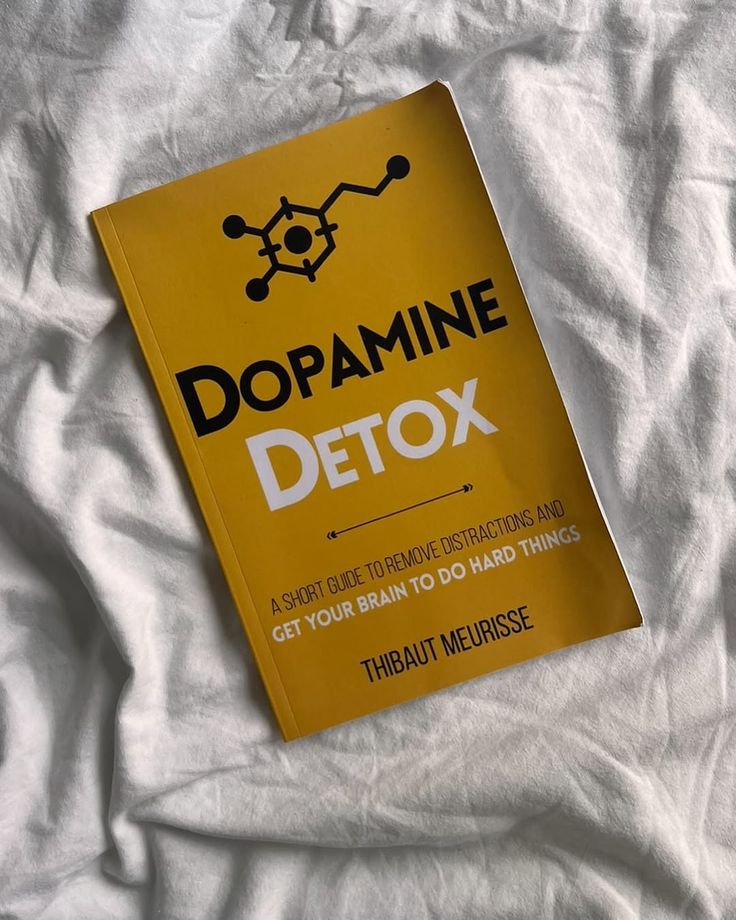
Who Is This Book For?
Do you keep procrastinating on important jobs? Do you often feel restless and unable to focus on the task at hand? Do you have trouble getting excited about important goals that could improve your life? We are constantly being stimulated and feel restless, often without knowing why. Instead of working toward our goals, we may go for a walk, grab a coffee, check our emails, or reorganize our files. If you are facing these problems, then this book is for you.
Introduction
You know that doing one important task will increase your productivity, but instead you start checking your mobile, reading emails, looking at your stock portfolio, having another coffee, or chilling with friends. Your goals start to feel less appealing, and you keep delaying the task. If this sounds like you, then this book will be a great benefit for you. In this book, the author introduces a simple method to avoid overstimulation and make it easier to work on your key tasks. So, are you ready for the challenge?
Dopamine and the role it plays
Dopamine’s primary role is to drive motivation and goal-directed behavior. It is the brain’s chemical that tells you something is worth pursuing and pushes you to take action toward rewards, goals, and progress. Rather than creating pleasure itself, dopamine creates the desire to seek pleasure, achievement, and success. When dopamine levels are healthy, you feel focused, driven, and willing to work toward long-term goals, but when it is constantly overstimulated by quick rewards like social media, junk food, or endless scrolling, your brain starts avoiding effort and important tasks begin to feel boring and difficult.
Action Step
Using your action guide, answer the following questions:
- What are you addicted to?
- What are your main sources of stimulation?
- Do they really make you happy?
Part II The Problem
How dopamine is being hijacked in the modern world and why it keeps us trapped in distraction, cravings, and short-term pleasure. From social media to junk food, constant stimulation trains the brain to seek instant rewards, making it harder to focus and think long term. Understanding this dopamine trap is the first step to regaining control over your habits, attention, and productivity.
1. The Neurotransmitter of “More”
The more our environment or actions trigger the release of dopamine, the more we will want another shot of dopamine.What about you? Are you addicted to anything? If you cannot spend a day without engaging in a certain activity, it means you are probably a little addicted to it. When we reduce our exposure to highly stimulating activities, we naturally increase our focus and boost our productivity.
2. Your dopamine system is being hijacked
Your focus is a scarce asset, which is why marketers spend large amounts of money to attract your attention.
For example, whenever you visit social media platforms such as Instagram, Facebook, or Twitter, you anticipate views, likes, or comments. This anticipation triggers dopamine release and keeps you coming back for more.
3. Food cravings and dopamine
Food cravings also trigger the release of dopamine.
For example, many people experience strong cravings for junk food in the evening, which leads to repeated dopamine spikes and unhealthy eating habits.
4. Dopamine, constant stimulation, and long-term thinking
Studies have shown that one of the best predictors of success is the ability to think long term.Unfortunately, focusing on long-term goals is not easy. Many external forces push us toward short-term thinking and immediate gratification.
For example, even though we know eating healthy is good for us, we still choose junk food, which gradually damages our health.
5. You are overstimulated
When you engage in highly stimulating activities, your brain demands more and more stimulation. As your stimulation level increases, normal tasks start to feel boring and unappealing. This makes it harder to stay focused, work deeply, and pursue meaningful long-term goals.
Part III. What Is Dopamine Detox?
A dopamine detox describes the process of reducing stimulation in order to prevent overstimulation and place your mind in the proper state to tackle important and challenging tasks.
So far, we have seen that one of the main reasons people struggle to do hard work is overstimulation. Therefore, the solution to completing major tasks is to reduce your level of stimulation. This is exactly what a dopamine detox is designed to do.
In this book, three distinct types of dopamine detox are introduced:
- The 48-hour complete dopamine detox
- The 24-hour dopamine detox
- The partial dopamine detox
Let’s explore each type in greater detail and understand how they work.
1. The 48-Hour Complete Dopamine Detox
This is the most demanding form of dopamine detox. You must eliminate most or all sources of external stimulation for a total of 48 hours. Doing this helps lower your overall stimulation level and allows your brain to return to its natural state. As a result, you will feel calmer and find it easier to focus on important tasks.
By “eliminating all external sources of stimulation,” this means removing the following for 48 hours:
- Drug and alcohol consumption
- Exercising
- Internet
- Movies
- Music (except relaxation music)
- Phone
- Social media
- Sugar and processed foods
- Video games
2. The 24-Hour Dopamine Detox
This type is similar to the 48-hour dopamine detox but is shorter in duration. While it is easier to complete, it is also slightly less effective. It may take several days for your stimulation levels to return to their natural state.
3. The Partial Dopamine Detox
This version is less demanding but can be very effective when practiced over a longer period. It involves removing your biggest source of stimulation. Usually, one specific activity causes the most distraction. For example, for some people, it may be YouTube or social media.
Action Step
Using your action guide, write down which type of dopamine detox you want to start implementing right now.
Part IV . A Three-Step Method for a Successful Dopamine Detox
Step 1: Identify Your Biggest Distraction
Identify your biggest temptations and/or distractions and write them down on a sheet of paper. Then, make sure you place the sheet in a prominent position where you can see it often.
For example: My biggest distraction is scrolling short videos on YouTube.
Step 2: Add Friction
Make unwanted behaviors harder to engage in by adding friction. Make desired behaviors easier to engage in by reducing friction.
For example: Since YouTube is my biggest distraction, I removed it from my phone’s home screen so it does not appear easily. Whenever I want to use YouTube for learning, I open it only through Google Chrome and use it strictly for that purpose.
Step 3: Start First Thing in the Morning
Implement a simple morning routine to calm your mind and start your day with a low level of stimulation.
For example: The first thing I do in the morning is write my blog. Earlier, when YouTube was enabled on my phone, I would scroll for at least three hours. After that, I would drink tea, go for a walk, and then waste another two to three hours. But today, I spent only 20 minutes writing this part of my blog instead of wasting my time.
Part V. Doing the Work (and Overcoming Procrastination)
One of the main goals of a dopamine detox is to lower your level of stimulation so you feel more motivated to work on important tasks. In this section, you will learn how to maintain momentum and overcome your tendency to procrastinate.
Plan Your Day
Being intentional with your day is one of the most effective ways to boost productivity. When you take time each day to decide what you want to accomplish, you reduce the risk of distraction. The more intentional you are, the better results you will achieve.
How to Plan Your Day
- Simply write down a few key tasks you must complete today.
- Place them in order of importance and begin working on your first task.
- Once you complete it, move on to the next.
- Repeat this process until you have finished all the tasks on your list.
Part VI Avoiding “Dopamine Relapse”
Congratulations! You’ve just completed a dopamine detox, and now you probably feel much more relaxed and far more in control of your day.
But what comes next?
If you’re not careful, you’ll inevitably relapse. Old habits die hard. That’s why, in this section, we’ll cover a few specific strategies you can use to avoid falling back into your never-ending stimulation loop.
Let’s get started.
1. Be Aware When You Start Relapsing
Self-awareness is the key to lasting change. The first step to avoiding or limiting relapses is noticing when you begin to feel overstimulated. When you struggle to work on an important task, pause for a moment. Then, recommit to your daily routine.
2. Understand the Battle Between You and Your Mind
When relapse happens, the key is to accept it without feeling guilty. Beating yourself up won’t help you build a successful daily routine—it will only make things worse. Don’t dwell on it. Don’t feel guilty or ashamed. Simply restart your routine and take it one day at a time.
3. Understand That the World Is Against You
The world is working against your focus. There will always be someone trying to grab your attention.
You have two choices:
You can protect your focus by building habits and systems, or you can remain unprepared and allow distractions to pull you away from what truly matters.
4. Prepare a Contingency Plan
An effective way to prevent relapse is to create a contingency plan. Think about all the ways you are likely to lose focus and revert to old behaviors, and prepare defenses against them.
Ask yourself: What things could make you relapse?
For example, if I have the YouTube app on my phone, I can easily spend 10 hours scrolling. But when I use YouTube through Google Chrome instead, I spend only one hour or less. This small change makes a huge difference.
5. Put a Sustainable System in Place
The key to lowering your stimulation levels is building a simple and sustainable system. This doesn’t require eliminating all distractions, but it does require creating habits that help you stay focused.
6. Cultivate the “Here-and-Now” Neurotransmitters
To prevent overstimulation, cultivate “here-and-now” neurotransmitters like endorphin, oxytocin, and serotonin. These chemicals are the opposite of dopamine—they make you feel calmer, grounded, and more present.
You can activate them through activities such as:
- Meditation
- Stretching
- Mindfulness
- Contemplative walking
Action Steps
Commit to a 30-Day Challenge
To get the full benefit of your dopamine detox, commit to a simple daily routine for the next 30 days. Treat it as a 30-Day Challenge. This will help prevent you from falling back into old habits once your detox ends.
If you want to buy book then below is the link
https://amzn.to/4jEMnUz